Scope
Separate square footage, rooms, removal, trim, stairs, and prep.
Use a local page to keep the estimate connected to Las Vegas, NV pricing, climate, removal, and practical jobsite rules.
This page estimates hardwood flooring installation labor in Las Vegas, NV and keeps material, delivery, and waste separate so quotes can be compared with the same scope.
Use this as a labor-only planning estimate, not a final contractor quote. Material, delivery, waste, and tax stay separate.
Use a local page to keep the estimate connected to Las Vegas, NV pricing, climate, removal, and practical jobsite rules.
Separate square footage, rooms, removal, trim, stairs, and prep.
Local pricing and practical jobsite rules can change the range.
A walkthrough validates measurements, subfloor, transitions, and access.
Start with the full guide when you want to compare labor, square footage, carpet replacement, material planning, hardwood vs laminate, and local pricing before using the calculator.
Open common square-foot scenarios, then adjust removal, trim, stairs, and prep in the calculator.
Use these guides for situations that need more context than one square-foot number.
Review product specs before comparing material price, delivery, waste, and labor.
Use these comparisons when deciding between hardwood, vinyl, laminate, or carpet.
Each room has different cuts, transitions, moisture, furniture, and prep.
Projects move up or down based on removal, subfloor prep, trim work, stairs, and the layout of the home.
Carpet, tile, laminate, adhesive, and disposal can change the scope.
Flatness, moisture, and subfloor stability can change the work.
Baseboards, molding, transitions, and stairs explain many quote differences.
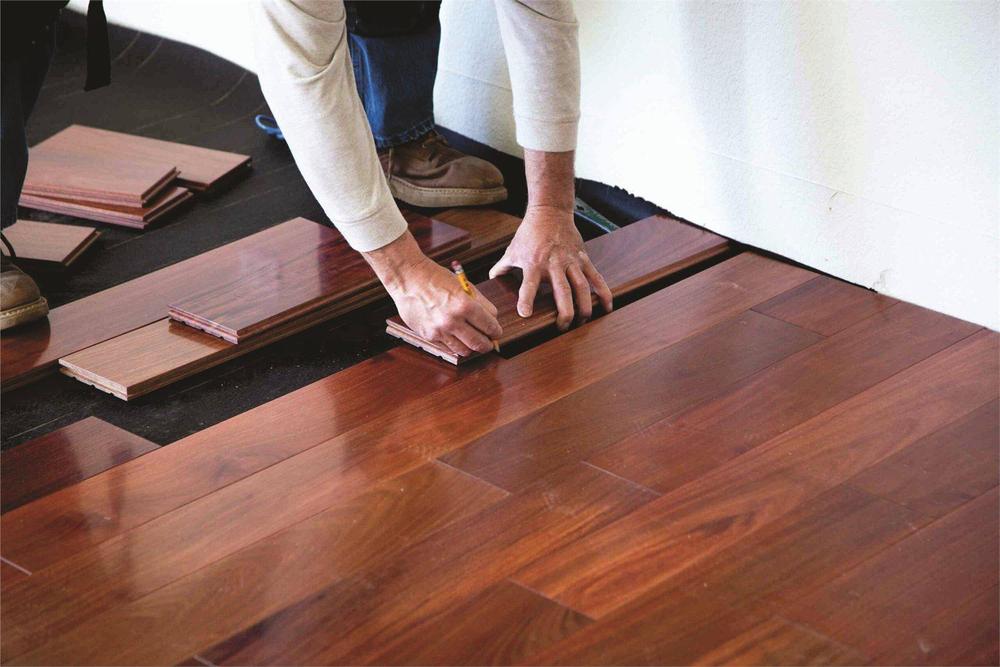
Las Vegas is a city in Clark County, Nevada, within the Las Vegas-Henderson-North Las Vegas, NV metro area. For flooring projects, that matters because homes in Las Vegas average about 31 years old, about 62.1% of housing is single-family, median home values are about $427,900, which can affect project scope, material choice, and prep work.
In older areas like the Paradise Palms neighborhood, many homes built in the 1960s feature original concrete slab foundations that necessitate thorough subfloor preparation, including leveling, before new flooring installation. With 138 days annually above 90°F, flooring adhesives must be specifically rated for high-temperature environments to prevent premature failure.
Las Vegas homes average about 31 years old, which means subfloor prep, leveling, and transition work can affect flooring budgets more often than in newer housing stock.
Estimated owner-occupied home size in Las Vegas is about 1,665 square feet.
About 62.1% of housing in Las Vegas is single-family detached.
About 29.9% of housing in Las Vegas is multifamily.
Las Vegas has climate conditions where humidity can reach about 45% and the area sees about 137.6 days above 90F each year.
These details do not replace an installer walkthrough, but they help explain why two projects with the same square footage can need different planning.
Standard flooring replacement in Las Vegas, NV usually does not require a permit, but permits can come into play when the project includes structural, electrical, or plumbing work.
Residents must schedule bulk item pickups through their designated waste service provider for flooring like carpet, tile, and hardwood. Large quantities of construction debris require transport to a city-authorized landfill facility for disposal.
Las Vegas has humid months that reach about 45% humidity, summer highs average about 104F, there are about 137.6 days above 90F each year, so spring and fall are usually the easiest seasons for flooring installation while hotter summer periods need more attention to acclimation, storage, and jobsite conditions.
These notes preserve the extra nearby-city context so the local page is more than a list of links.
Use nearby pages to compare the same hardwood flooring scope against other markets around Las Vegas.
If a nearby city has newer homes, more multifamily housing, or different access rules, the quote can change even when square footage is the same.
The calculator starts with square footage and labor pricing, then layers in removal, trim, stairs, and prep.
Read the pricing methodology for flooring-family scope, typical prep allowance, and excluded material, tax, waste, major leveling, moisture mitigation, and repair items.
Use the number as a labor-only planning estimate, not a final contractor quote.
These are the labor categories this estimate can represent before a final installer quote.
Material, delivery, waste, and tax stay separate so the labor-only comparison stays clear.
| Labor item | How the calculator treats it |
|---|---|
| Install labor | Square footage multiplied by the local pricing range. |
| Removal | Carpet, laminate, tile, or old flooring are reviewed as separate scope. |
| Trim | Baseboards, shoe molding, and quarter round can change the finish work. |
| Stairs | Treads, risers, nosing, and cuts take more time. |
| Prep | Leveling, transitions, moisture, and cleanup affect the surface. |
Use these examples to organize project size before comparing material and labor.
| Project | Typical size | Note |
|---|---|---|
| Bedroom or office | 250 ft² | Small project with limited cuts and trim. |
| Main living area | 650 ft² | Living, dining, kitchen, or open area with transitions. |
| Whole-home project | 1,500 ft² | Multiple rooms, halls, furniture, and staged planning. |
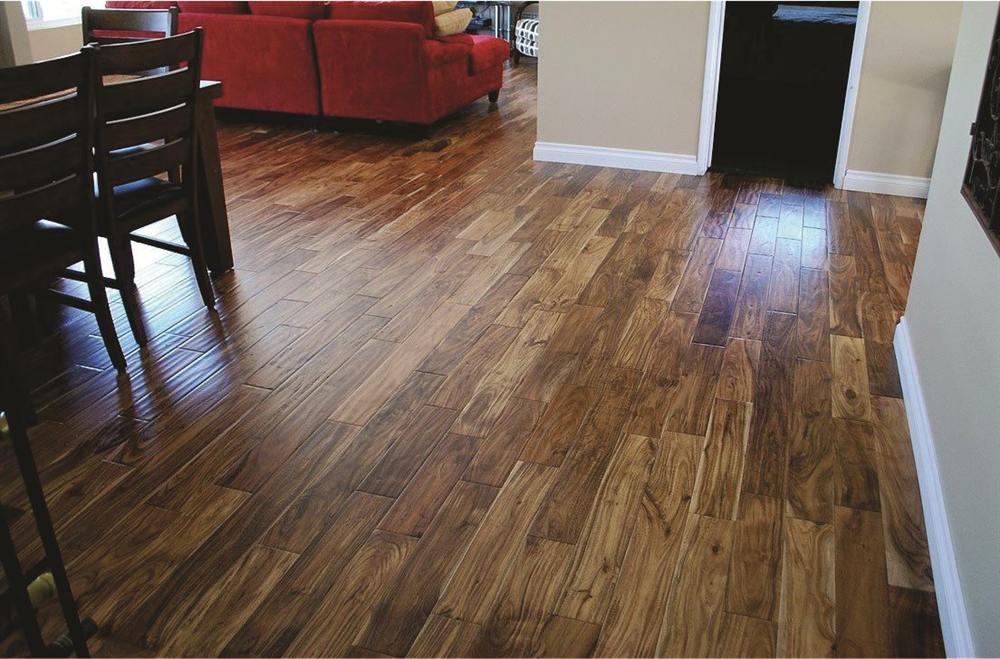
The estimate keeps labor clear first. Product, delivery, waste, and retailer costs belong in a different part of the quote.
The final contractor quote should come after real conditions, scope, and product choices are confirmed.
Wear layer, thickness, attached pad, and retailer pricing change product cost.
Closets, hallways, islands, and angled walls add cuts.
An installer confirms real conditions before final pricing.
The number is intentionally labor-focused. These items belong in the final quote.
Do not treat this range as a guaranteed price or final contractor quote.
These pages use market-level pricing so shoppers can compare installation labor in nearby areas.
Standard flooring replacement in Las Vegas, NV usually does not require a permit, but permits can come into play when the project includes structural, electrical, or plumbing work.
Businesses or individuals altering buildings in Nevada must be licensed; floor finishing and covering work falls under the C-16 classification. The city requires contractor registration for flooring businesses.
Nevada construction contractors are consumers of materials used to improve real property; fabrication and installation contracts are taxed on materials, not contract labor.
Freight or delivery included in the taxable acquisition of construction materials is treated with the materials.
Las Vegas has humid months that reach about 45% humidity, summer highs average about 104F, there are about 137.6 days above 90F each year, so spring and fall are usually the easiest seasons for flooring installation while hotter summer periods need more attention to acclimation, storage, and jobsite conditions.
Vinyl flooring installation labor in Las Vegas starts at about $1.59 per square foot and commonly ranges up to about $1.95 per square foot. Material, removal, trim, floor prep, and stairs can increase the final project total.
Laminate flooring installation labor in Las Vegas starts at about $1.59 per square foot and commonly ranges up to about $1.95 per square foot. Material, removal, trim, floor prep, and stairs can increase the final project total.
Engineered hardwood flooring installation labor in Las Vegas starts at about $2.19 per square foot and commonly ranges up to about $2.50 per square foot. Material, removal, trim, floor prep, and stairs can increase the final project total.
Most flooring projects in Las Vegas take about 1 to 3 days for a few rooms, while whole-home projects, removal, floor prep, stairs, or trim work can extend the schedule. Material choice, subfloor condition, furniture moving, and acclimation time also affect the timeline.