Alcance
Separe pies cuadrados, habitaciones, remoción, molduras, escaleras y preparación.
Use una página local para mantener el estimado conectado a la mano de obra, el clima, la remoción y las reglas prácticas de New Bedford, MA.
Esta pagina estima mano de obra de instalacion de piso de madera en New Bedford, MA y mantiene separado el material, la entrega y el desperdicio para que pueda comparar cotizaciones con el mismo alcance.
Use esto como una estimacion de planificacion de mano de obra, no como una cotizacion final de contratista. Material, entrega, desperdicio e impuestos se mantienen separados.
Use una página local para mantener el estimado conectado a la mano de obra, el clima, la remoción y las reglas prácticas de New Bedford, MA.
Separe pies cuadrados, habitaciones, remoción, molduras, escaleras y preparación.
La mano de obra local y las reglas prácticas pueden cambiar el rango.
Una visita valida medidas, subsuelo, transiciones y acceso.
Empiece con la guía completa cuando quiera comparar mano de obra, pies cuadrados, reemplazo de alfombra, madera vs laminado y precios locales antes de usar la calculadora.
Abra escenarios comunes por pies cuadrados y después ajuste remoción, molduras, escaleras y preparación.
Use estas guías para situaciones que necesitan más contexto que un número por pie cuadrado.
Revise especificaciones de producto antes de comparar material, desperdicio y mano de obra.
Use estas comparaciones cuando decida entre madera, vinilico, laminado o alfombra.
Cada habitación tiene cortes, transiciones, humedad, muebles y preparación distinta.
Los proyectos suben o bajan por remoción, preparación del subsuelo, molduras, escaleras y diseño de la casa.
Alfombra, azulejo, laminado, adhesivo y desecho cambian el alcance.
Planitud, humedad y estabilidad del subsuelo pueden cambiar el trabajo.
Zócalos, molduras, transiciones y escaleras explican muchas diferencias.
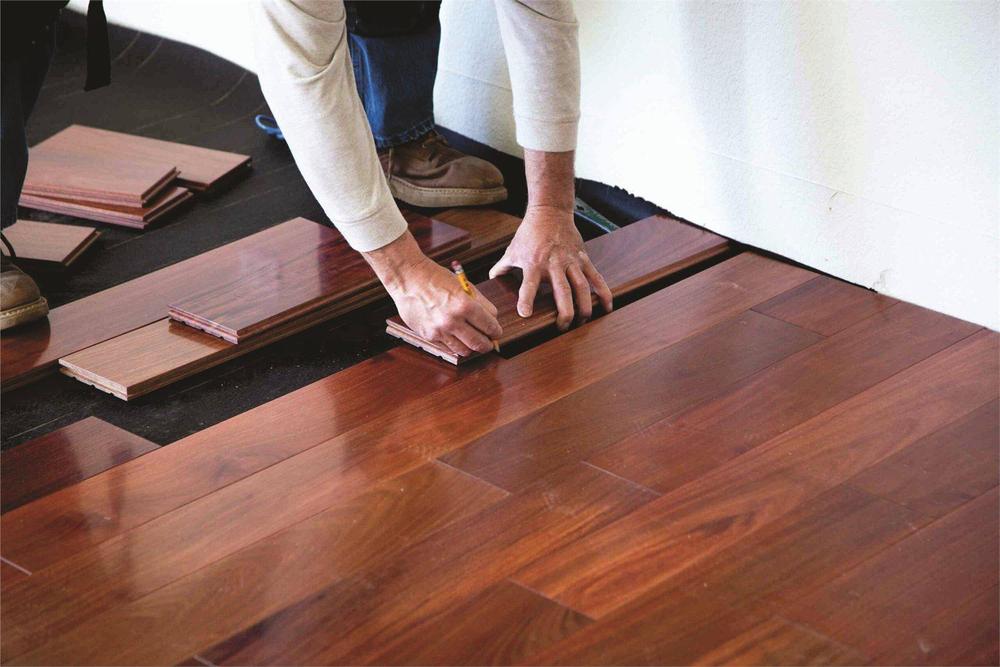
New Bedford es una ciudad en el condado de Bristol, Massachusetts, dentro del área metropolitana de Providence-Warwick, RI-MA. Para proyectos de pisos, eso es importante porque las casas en New Bedford tienen un promedio de unos 87 años de antigüedad, alrededor del 30,5% de las viviendas son unifamiliares, y los valores mediaños de las viviendas son de aproximadamente $357,300, lo que puede afectar el alcance del proyecto, la elección de materiales y los trabajos de preparación.
En el histórico South End de New Bedford, muchos edificios antiguos de varias unidades cuentan con contrapisos originales que requieren una nivelación importante debido a décadas de asentamiento y exposición a la humedad. Los 51.4 pulgadas de lluvia anuales de New Bedford hacen necesarias barreras contra la humedad robustas y opciónes de pisos resistentes al agua, especialmente para instalaciónes en sótaños.
Las casas en New Bedford tienen un promedio de 87 años de antigüedad, lo que significa que la preparación del contrapiso, la nivelación y los trabajos de transición pueden afectar el presupuesto de instalación con más frecuencia que en viviendas más nuevas.
El tamaño promedio de las viviendas ocupadas por sus propietarios en New Bedford es de aproximadamente 1,638 pies cuadrados.
Aproximadamente el 30.5% de las viviendas en New Bedford son casas unifamiliares independientes.
Aproximadamente el 49.5% de las viviendas en New Bedford son multifamiliares.
New Bedford tiene condiciones climáticas donde la humedad puede alcanzar cerca del 81% y el área registra aproximadamente 0.4 días al año con temperaturas superiores a los 90°F.
Estos detalles no reemplazan una visita, pero ayudan a explicar por qué dos proyectos con los mismos pies cuadrados pueden necesitar planificación distinta.
El reemplazo estándar de pisos en New Bedford, MA, generalmente no requiere un permiso, pero estos pueden ser necesarios cuando el proyecto incluye trabajos estructurales, eléctricos o de plomería.
Los residentes deben programar la recolección de artículos voluminosos a través de la ciudad para materiales como alfombras, madera dura o azulejos, colocándolos en la acera en el día designado. Alternativamente, los residentes pueden llevar estos materiales a la instalación de desechos de la ciudad presentando un comprobante de residencia y pagando las tarifas de eliminación correspondientes.
New Bedford tiene meses húmedos que alcanzan aproximadamente un 81% de humedad, las temperaturas máximás en verano promedian unos 77°F y hay cerca de 0.4 días al año por encima de los 90°F. Por ello, la primavera y el otoño suelen ser las mejores estaciones para la instalación de pisos, mientras que los periodos más calurosos del verano requieren mayor atención a la aclimatación, el almacenamiento y las condiciones del lugar de trabajo.
Estas notas conservan el contexto adicional de ciudades cercanas para que la página local no sea solo una lista de enlaces.
New Bedford tiene una mayor proporción de viviendas unifamiliares que Boston, lo que puede apoyar diseños de hogar completo más continuos. Ver costo de instalación de pisos en Boston, TX.
Las viviendas de New Bedford suelen ser más antiguas que las de Worcester, por lo que los problemás de preparación y transición pueden surgir con más frecuencia aquí. Ver costo de instalación de pisos en Worcester, TX.
New Bedford tiene una menor proporción de viviendas unifamiliares que Springfield, lo que puede significar un perfil de proyecto ligeramente más mixto. Ver costo de instalación de pisos en Springfield, TX.
La calculadora empieza con pies cuadrados y precios de mano de obra, luego agrega remoción, molduras, escaleras y preparación.
Lea la metodologia de precios para el alcance por familia de piso, la reserva tipica de preparacion y los elementos excluidos como material, impuestos, desperdicio, nivelacion mayor, humedad y reparaciones.
Use el numero como una estimacion de planificacion de mano de obra, no como una cotizacion final de contratista.
Estas son las categorías de mano de obra que el estimado puede representar antes de una cotización final.
Material, entrega, desperdicio e impuestos se mantienen separados para que la comparacion sea clara.
| Elemento | Cómo se trata |
|---|---|
| Instalación | Pies cuadrados multiplicados por el rango de mano de obra local. |
| Remoción | Alfombra, laminado, azulejo o piso viejo se revisan como alcance separado. |
| Molduras | Zócalos, zapata y cuarto bocel pueden cambiar el acabado. |
| Escaleras | Huellas, contrahuellas, nariz de escalón y cortes toman más tiempo. |
| Preparación | Nivelación, transiciones, humedad y limpieza afectan la superficie. |
Use estos ejemplos para ordenar el tamaño antes de comparar material y mano de obra.
| Proyecto | Tamaño típico | Nota |
|---|---|---|
| Dormitorio u oficina | 250 ft² | Proyecto pequeño con cortes y molduras limitadas. |
| Área principal | 650 ft² | Sala, comedor, cocina o área abierta con transiciones. |
| Proyecto de toda la casa | 1,500 ft² | Varias habitaciones, pasillos, muebles y planificación por etapas. |
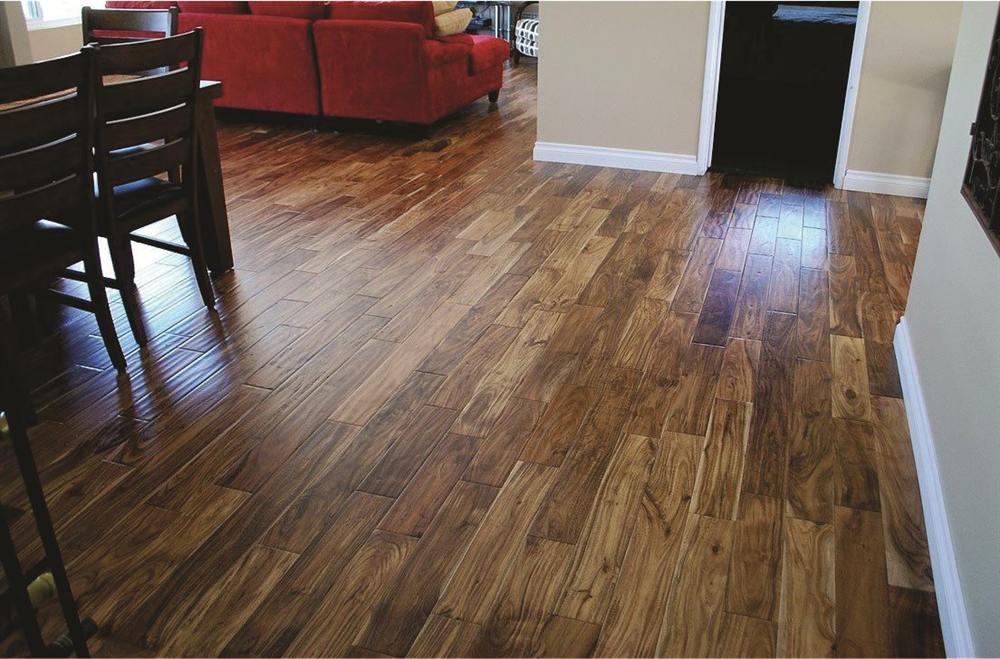
El estimado mantiene clara la mano de obra primero. Producto, entrega, desperdicio y tienda pertenecen a otra parte de la cotización.
El total final debe venir despues de que un contratista confirme condiciones reales, alcance y producto.
Capa de uso, grosor, base adjunta y tienda cambian el costo del producto.
Clósets, pasillos, islas y paredes en ángulo agregan cortes.
Un instalador confirma condiciones reales antes de cerrar el precio.
El número es intencionalmente de mano de obra. Estos elementos pertenecen a la cotización final.
No trate este rango como precio garantizado ni como cotizacion final de contratista.
Estas páginas usan precios por mercado para comparar mano de obra de instalación en áreas cercanas.
El reemplazo estándar de pisos en New Bedford, MA, generalmente no requiere un permiso, pero los permisos pueden ser necesarios cuando el proyecto incluye trabajos estructurales, eléctricos o de plomería.
Se requiere una licencia de contratista a nivel estatal para proyectos de instalación de pisos residenciales de más de $1,000, y los contratistas deben registrarse en la Oficina de Asuntos del Consumidor y Regulación Comercial (Office of Consumer Affairs and Business Regulation). No se requiere que un contratista de pisos obtenga un registro comercial de la ciudad o un registro de contratista local para operar en New Bedford, Massachusetts.
El impuesto sobre las ventas se aplica a los materiales para pisos, pero no a la mano de obra.
Los gastos de envío están sujetos a impuestos cuando se cobran junto con materiales para pisos que también están sujetos a impuestos.
New Bedford tiene meses húmedos que alcanzan aproximadamente un 81% de humedad, los máximos de verano promedian alrededor de 77F, y hay cerca de 0.4 días al año por encima de los 90F, por lo que la primavera y el otoño suelen ser las estaciones más fáciles para la instalación de pisos, mientras que los períodos de verano más calurosos requieren mayor atención a la aclimatación, el almacenamiento y las condiciones del lugar de trabajo.
La mano de obra para la instalación de pisos de vinilo en New Bedford comienza en aproximadamente $1.59 por pie cuadrado y suele llegar hasta unos $1.95 por pie cuadrado. Los materiales, la remoción, los acabados, la preparación del contrapiso y las escaleras pueden aumentar el total final del proyecto.
La mano de obra para la instalación de pisos laminados en New Bedford comienza en aproximadamente $1.59 por pie cuadrado y suele llegar hasta unos $1.95 por pie cuadrado. Los materiales, la remoción, los acabados, la preparación del contrapiso y las escaleras pueden aumentar el total final del proyecto.
La mano de obra para la instalación de pisos de madera de ingeniería en New Bedford comienza en aproximadamente $2.19 por pie cuadrado y suele llegar hasta unos $2.50 por pie cuadrado. Los materiales, la remoción, los acabados, la preparación del contrapiso y las escaleras pueden aumentar el total final del proyecto.
La mayoría de los proyectos de pisos en New Bedford toman de 1 a 3 días para unas pocas habitaciones, mientras que los proyectos de toda la casa, la remoción, la preparación del contrapiso, las escaleras o los trabajos de acabado pueden extender el cronograma. La elección del material, la condición del contrapiso, el movimiento de muebles y el tiempo de aclimatación también afectan el plazo.